

9 Crown Row, Bracknell, Berkshire, RG12 0TH


9 Crown Row, Bracknell, Berkshire, RG12 0TH
62 High Street, Sunninghill, Ascot, Berkshire, SL5 9NN
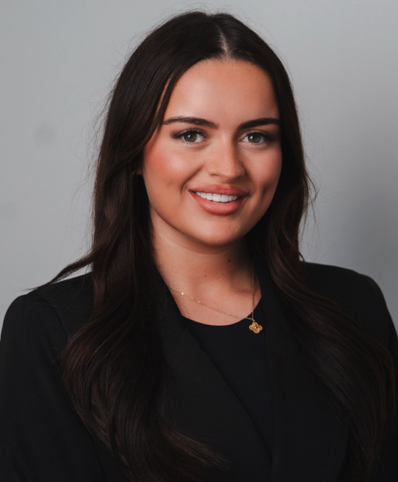

Sales Valuer
Marney has worked in estate agency since leaving school and has experience in the Berkshire, Hampshire and Surrey property markets. She certainly has gained some exceptional local knowledge! Outside of work, Marney has a crazy beagle who keeps her busy, she loves playing Paddle with the girls in Binfield, and trying out new local bars and restaurants.
Top of my bucket list is…
I’d love to go to Bali!
When I was younger, I wanted to be…
An estate agent.
On Sunday mornings, you can usually find me…
Out for brunch, followed by a walk with the girls and our dogs.
My guilty pleasures are…
Prosecco and awful reality TV.
The thing I like best about my job is…
Building long lasting relationships with my clients and getting to see beautiful homes! I feel extremely fortunate to have worked across several counties and helped lots of lovely people move home.
The best piece of advice I’ve been given is…
You make your own luck.
13 Jan 2020

Back in 1989 the BBC technology show Tomorrow’s World looked at what the average UK home of 2020 would look like.

Its predictions were hit and miss, but they did forecast technology would play a huge part in how we lived.
They said we’d be able to control our lighting, music and heating by voice commands (Alexa, Google Assistant, etc.). That our homes would be more energy efficient (we’re getting there) and that our windows would be able to turn into TV screens at the flick of a switch (not just yet).
And as we ease into the new decade, people who look ahead to see how technology will shape our lives (they’re called futurists), have been making some predictions of their own for the homes of 2030.
These include:1) Ditch your keys – facial, fingerprint and voice recognition that opens your doors could become commonplace meaning that the scramble to find your keys becomes a thing of the past. 2) Modular Homes – think LEGO on a grand scale. Futurists suggest technology will make it possible for people to increase or reduce the size of their property to fit their needs.3) E-cars – electric vehicles and charging points will become the norm. As our homes become smarter at storing energy, futurists predict we will be able to share surplus power with our neighbours more easily.4) Technology free rooms – people will start seeking refuge from gadgets in low tech, screen-free ‘quiet’ spaces.5) Wow wardrobes – struggling to choose what to wear? Smart wardrobes will receive data from your schedule and weather updates to suggest what clothes you own that are best suited to your day ahead.
The big changes will involve what happens in our homes, not how they look from the outside.
As wonderful as technology can and will be, at Duncan Yeardley we never forget our clients also love ‘old fashioned’ things like courtesy, personal service and expert local knowledge.
Get in touch





 General news
 General news
 General news